Sony 200-600 G vs 600 f6.3 GM
So I got a new toy.
I’ve been using the 200-600 G for ages. It was the very first full-frame lens I bought, along with the A9 back in… I want to say 2022? Maybe earlier? I’m pretty certain the Plague was still a thing when I bought it, but not so much of a thing that I had to be concerned about spending large amounts of time out of the house.
Anyhow, the lens rocks. Virtually all the bird pictures I’ve got up on this site were taken using it. I’ve carried it an enormous number of miles and easily taken over 100,000 shots with it.
But I have, over the last few months, found my eyes wandering.
About a year ago, I invested in an A1ii. Well, I say ‘invested’. Specifically, I say ‘invested’ because it makes me feel better about the eye-watering amount of money I spent on it. It’s an investment much like a 3-star Michelin meal is an investment, because maybe you’ll run into a billionaire in the restaurant and become best buds for life.
The camera itself is fantastic, as you’d expect from Sony’s flagship model. But I did find, at times, it felt like the lens was struggling to keep up.
The shots that hit were still as crisp and sharp as ever, but at the A1ii’s fastest burst rate, quite a lot of them were missing focus. Some of the burst were always in, but not always the ones with the best pose. The lens didn’t seem to be able to keep pace with the adjustments the camera was making. It felt like too much camera for the lens.
A couple of years ago, this wouldn’t really have mattered. The next step up from the 200-600 were the premium GM primes, the 400 f2.8 and 600 f4. The 400, which is the cheaper of those two, will set you back about £8,000 used.
But Sony’s expanded the telephoto range since then.
The one that had turned my head was the combination of the 300 f2.8 and the 2x teleconverter, becoming effectively a 600mm f5.6 prime, a setup a lot of people now swear by despite the 2x tele’s notorious ability to monkey-Christ any image made using it. The 300 is just so good as a baseline that even after the 2x has finger-painted its way across the RAW they still come out decent. Add to that the fact it’s half the weight of the 200-600 and the ability to use the spectacular 300mm without the teleconverter for… I actually don’t know what I would have used it for, but for the £5,000-ish price I would have found something.
I did not buy that lens.
I was gearing myself up to do it. I was waiting for a good used copy to appear.
But then Sony released the 600mm f6.3 GM, for a significant amount less than what I was talking myself into spending on the 300. Enough less to hit whatever button in my brain has ’Ah, fuck it’ written on it and pre-order.
I have now played with this new lens. I do not regret my life choices.
Firstly, the size. It’s smaller than the 200-600 - you can see both here, the 200-600 still attached to the camera, with Ciabatta helpfully providing scale.
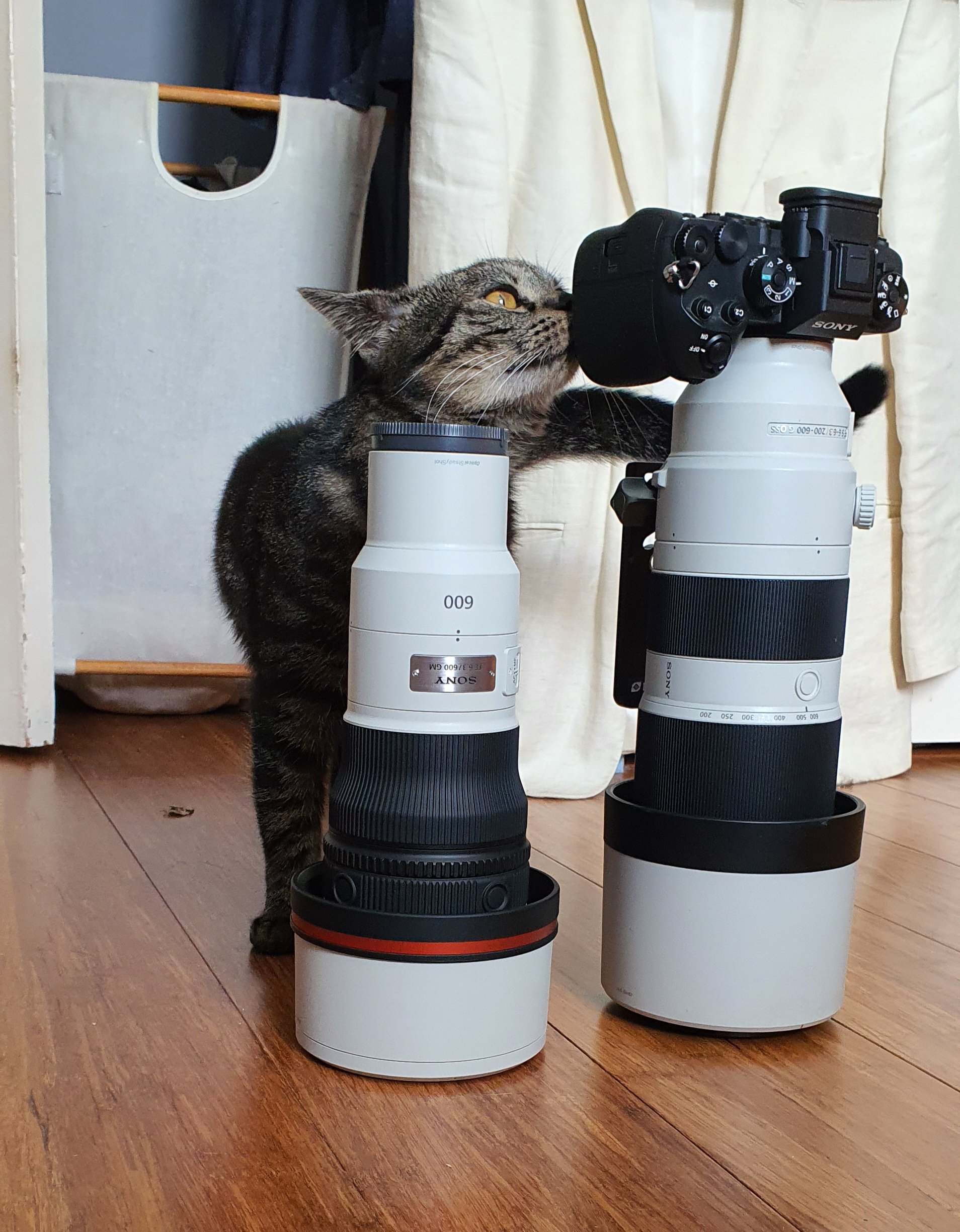
Two lenses, a camera, and most importantly, a cat.
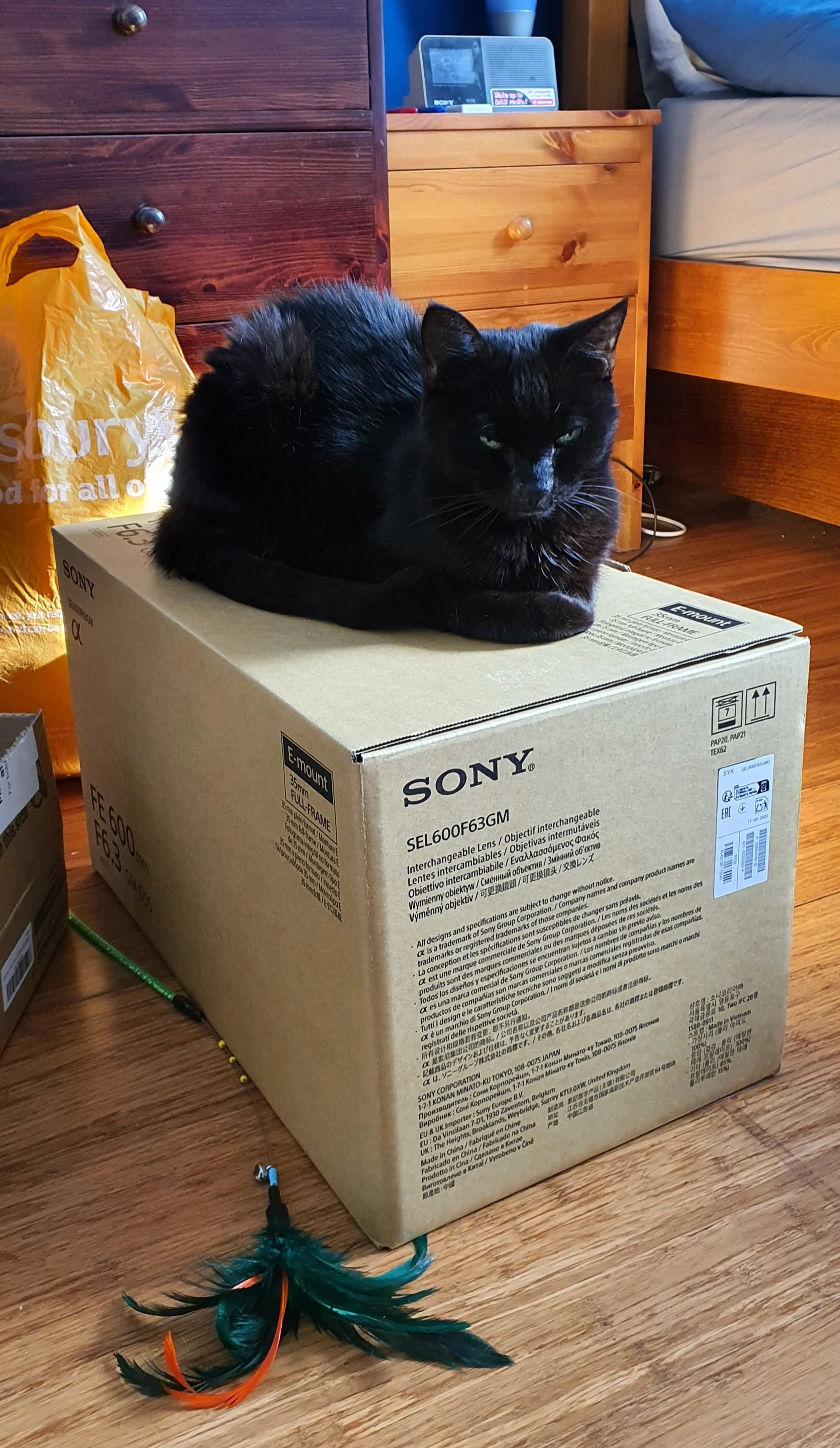
Bonus picture of Trouble claiming the box.
This smaller size makes the balance a bit better, particularly since I don’t use a grip. Most importantly, though, it is astonishingly light. The lens is even lighter than the 300, coming in at less than a kilo. For comparison, the 200-600 is 2.115 kilos. I have no idea what witchcraft Sony have done to make this thing as light as it is, but their engineering team apparently looked through the laws of physics and just went ‘LOL’.
And this is the kind of weight that really makes a difference. I’ve taken the 200-600 out locally but I’ve never even thought about taking it abroad with the amount of hand-luggage space it’d eat up, or to be honest even on ay relatively strenuous hike in the UK. I’m considering it with this one.
And in the field, it delivers.
The autofocus moves like a cobra with places to be. The 200-600 was no slouch, but the 600 f6.3 GM is noticeably faster. It managed to snatch this bee out of the air, something I’d always struggled with when trying similar shots on the 200-600.
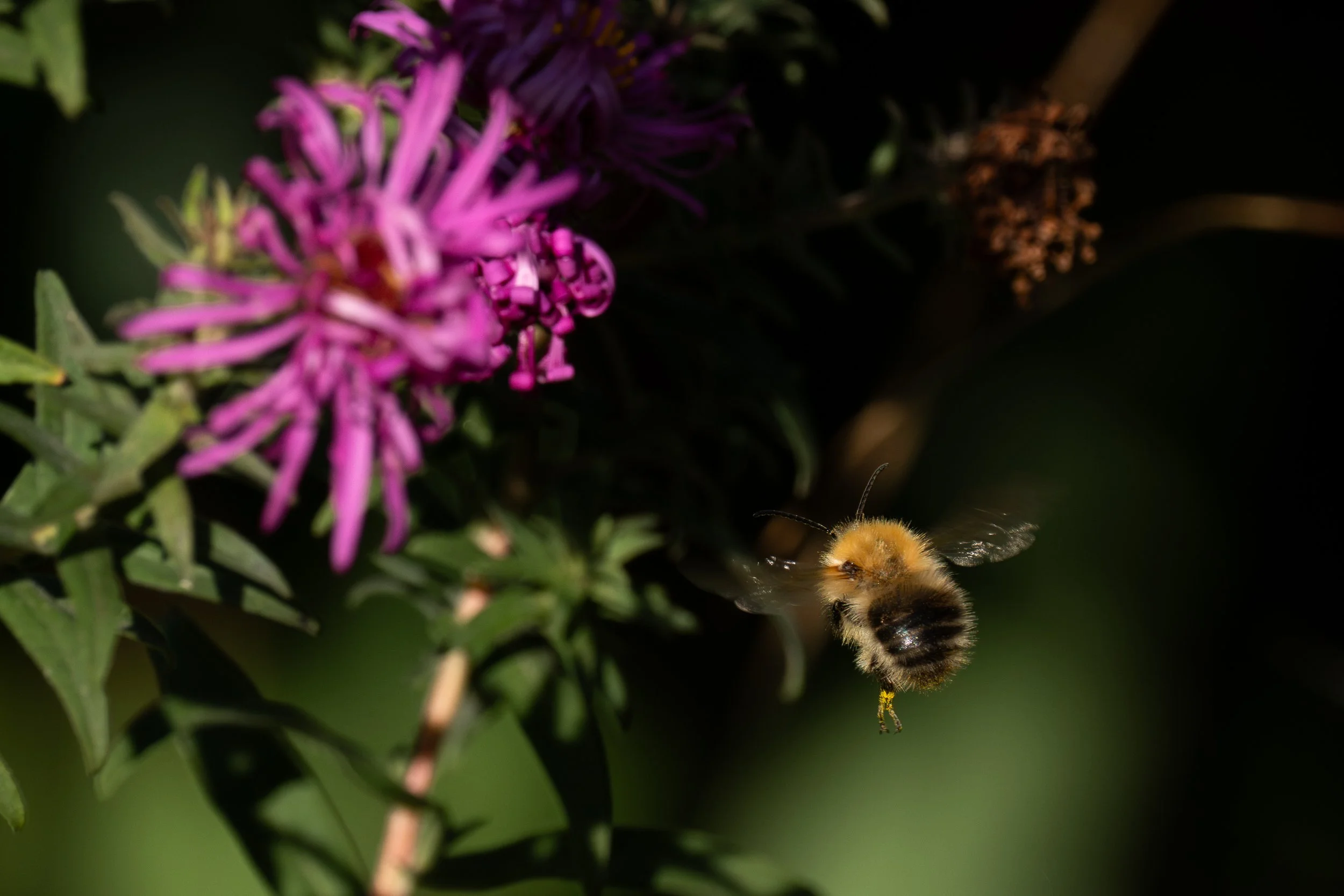
Sony 600 f6.3, 600mm, 1/1250, f/10, ISO 1000
There’s also a manual focus ring, which is great but does take some getting used to - my natural hand position was on that ring, so at the start the camera would lock in and then my hand would push the focus out as I panned. I’ve had to adjust the position I hold the lens to compensate. It’s useful when the camera’s struggling to work out which bits of the hedge are actually bird, though.
The image quality itself, as you’d expect from anything with the GM mark, is very very good.
I’m not going to post charts of modulation transfer functions or relative illumination. In general I don’t think my time is well spent pixel-peeping, rather I’m a big believer in good enough being good enough. I have several pictures on my wall, printed A4-size, that I took with the RX10-IV and its in-comparison-tiny 1-inch sensor.
The big question, then, is just whether there’s a meaningful difference between the 200-600 and the 600 f6.3.
I’ve only taken the 600 out on a couple of walks so far, so this is an early assessment. But so far my thinking is no… but yes.
At the top of its game, the images using the 200-600 are just as good as those from the 600 f6.3. But the 600 hits that level far more often, and in significantly worse conditions.
This Little Grebe picture was taken with the 200-600. It’s not straight-out-of-camera, obviously - what matters is the end result, and for me that’s post-editing. It’s stopped down to f8 because that’s where the 200-600 tends to do best, and is at ISO 640.
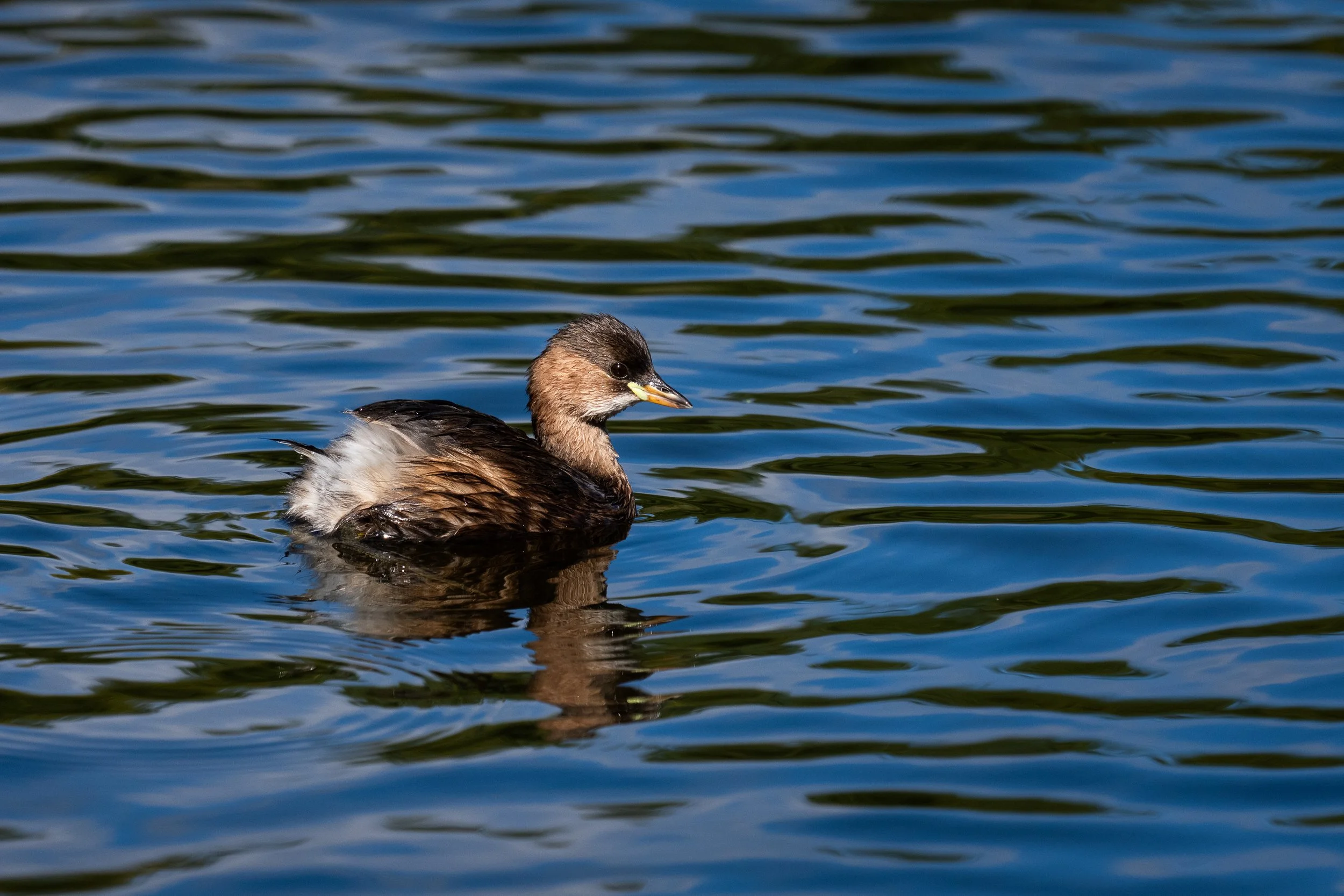
Sony 200-600, 600mm, 1/1600, f/8, ISO 640
This one was taken with 600 f6.3, again after editing. This is not a scientific test - it was a different day and different lighting conditions (though it was, I’m pretty certain, the same bird, there’s only one pair of Little Grebes on these ponds). This one’s a far tighter crop at ISO 2000, and wide open. Under the same conditions, I’m not convinced the 200-600 would have done as well.
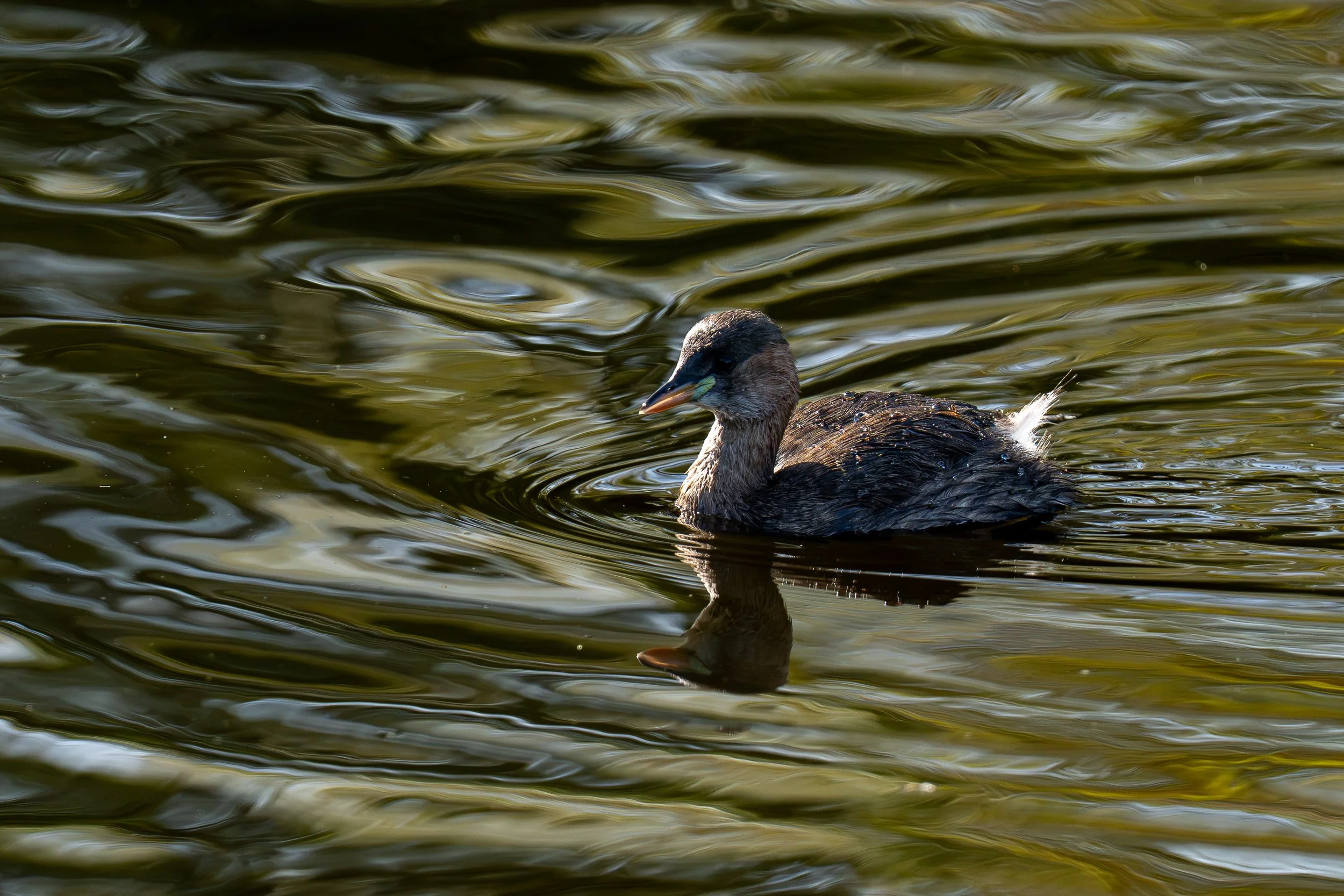
Sony 600 f6.3, 600mm, 1/2000, f/6.3, ISO 2000
Here’s another, this time at ISO 8000. Even with light that low, it focuses in a snap and produces good separation.
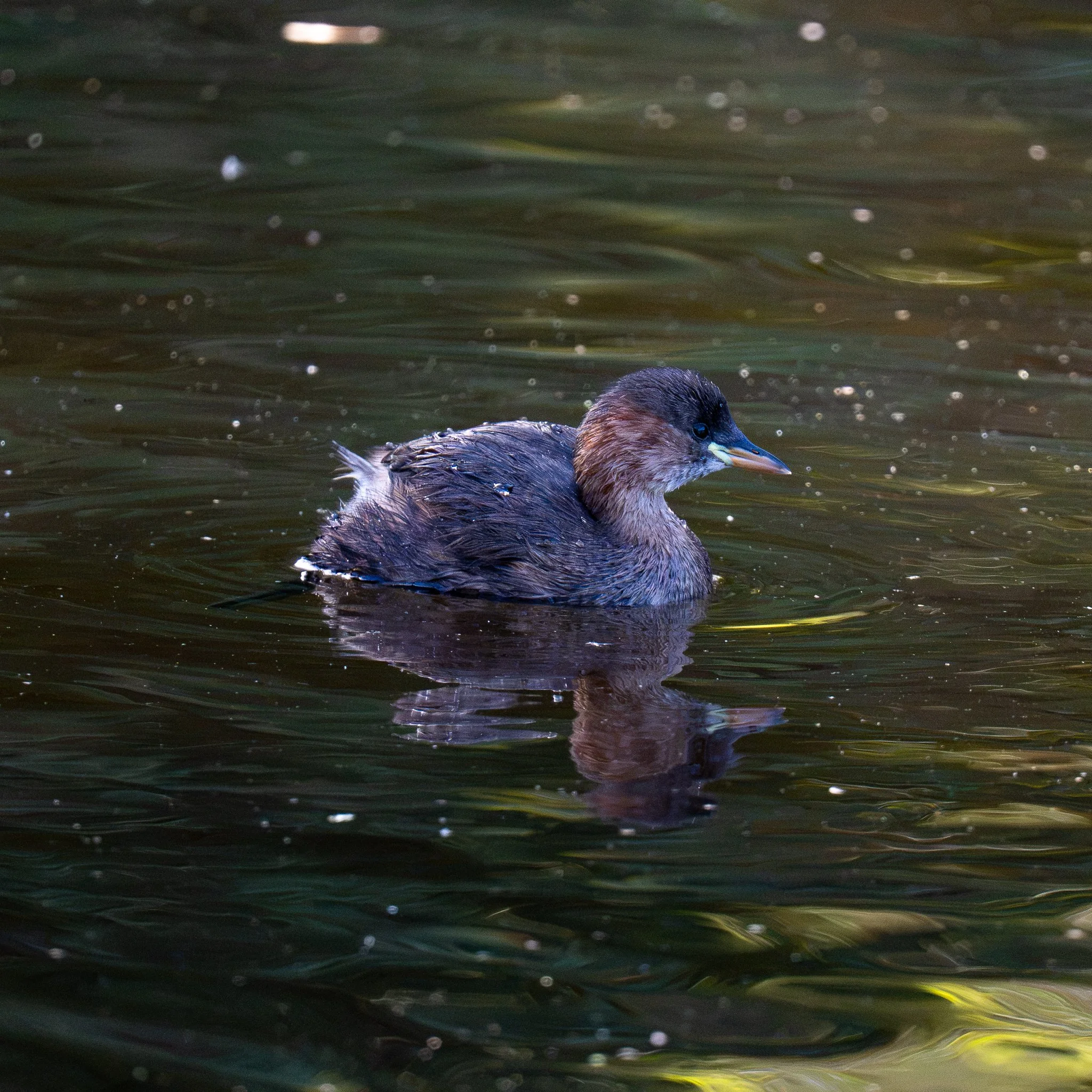
Sony 600 f6.3, 600mm, 1/2000, f/8, ISO 8000
Fucked if I can remember why I had those at 1/2000, presumably I was trying to take pictures of something smaller and flittier beforehand and hadn’t changed the settings.
I can already tell you this is going to replace the 200-600 as my standard birding lens. Even if everything else was equal, the weight and handling difference would make that true - though I’m not sure I’d recommend it as an upgrade if that was all that changed. As it is, though, the insane autofocus speed and increased keeper rate make this well worth the money for me.
The one thing it’s missing is the flexibility. I mostly didn’t need to zoom out to help find the bird to begin with and rarely shot at anything less than 600mm - but I did sometimes, and it was nice to have that option. But that alone isn’t worth the extra weight for me.
As to whether the hypothetical 200-600 owner reading this should upgrade - if you’ve got the money, probably yes. You won’t necessarily get better images but you’ll get more of them, and by God is it fun.
