I got another new toy when I picked up the 600mm f6.3. Park Cameras were offering £200 off teleconverters when bought with a lens and, well. Rude not to.
I picked up the 1.4x, having heard only bad things about the 2x. Attach it to the 600 f6.3 and it becomes an 840mm f9 prime. When I bought it, I was mostly hoping it’d be useful in places like Rainham Marshes where the birds can be annoyingly distant, but before heading out somewhere like that, I figured it’d be worth trying it out on my doorstep, so around Brockwell I went, carrying the kind of camera equipment most would recommend for stalking leopards and using it to try and get a picture of a blue tit.
Every picture here was taken with the teleconverter on - and when it comes to image quality, I can’t really tell the difference between with and without.
It’s Autumn now, and that means the black-headed gulls are back. There’s always a few around but in the winter the south pond is full of them. Some are still transitioning from their summer plumage, black streaks across an otherwise white head, like someone’s smeared them with motor oil.
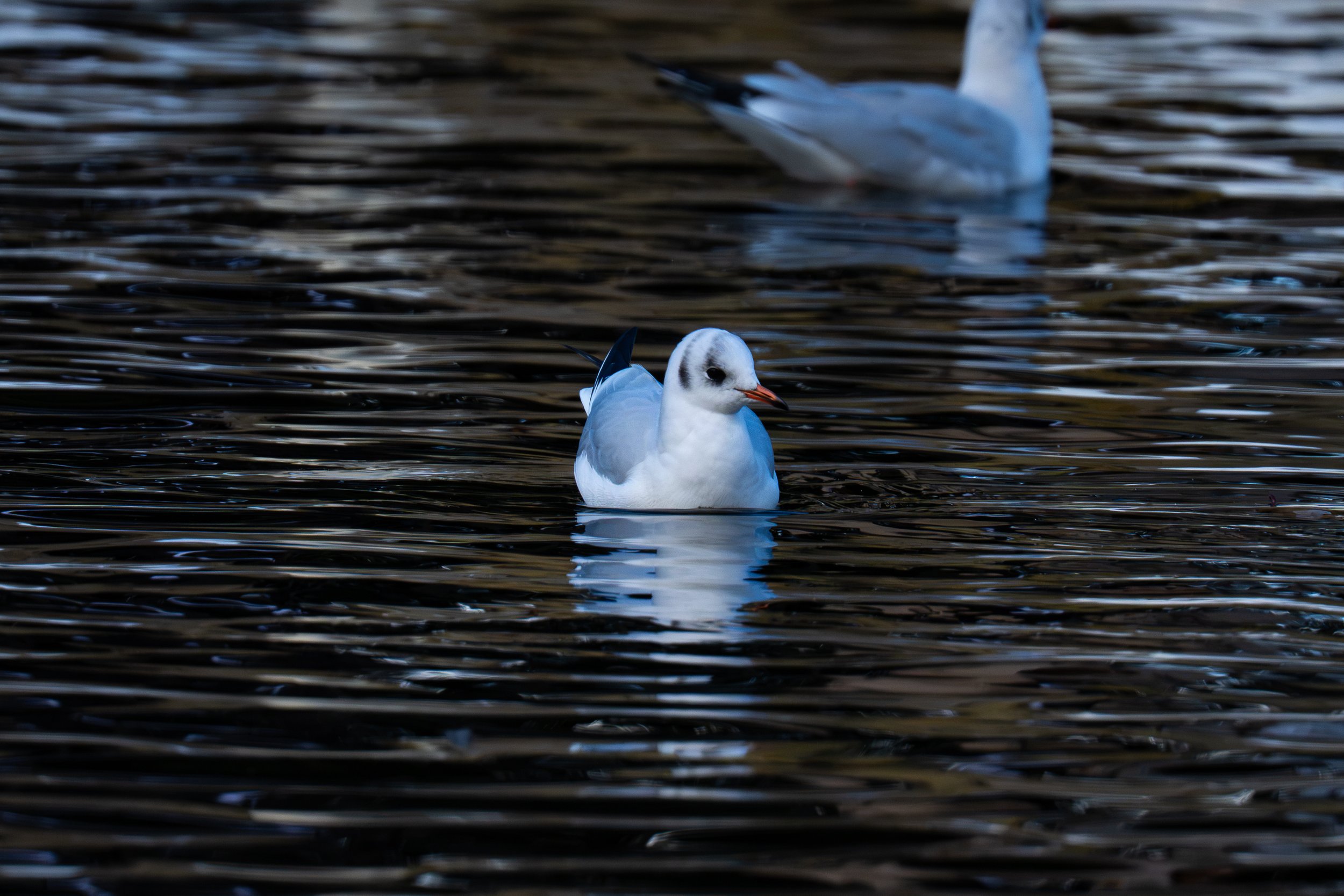
Black-Headed Gull. Winter is coming.
Most, though, are fully embracing winter, the ‘black-headed’ part of the name in this season only referencing a small spot at about 8 o’clock from the eye.
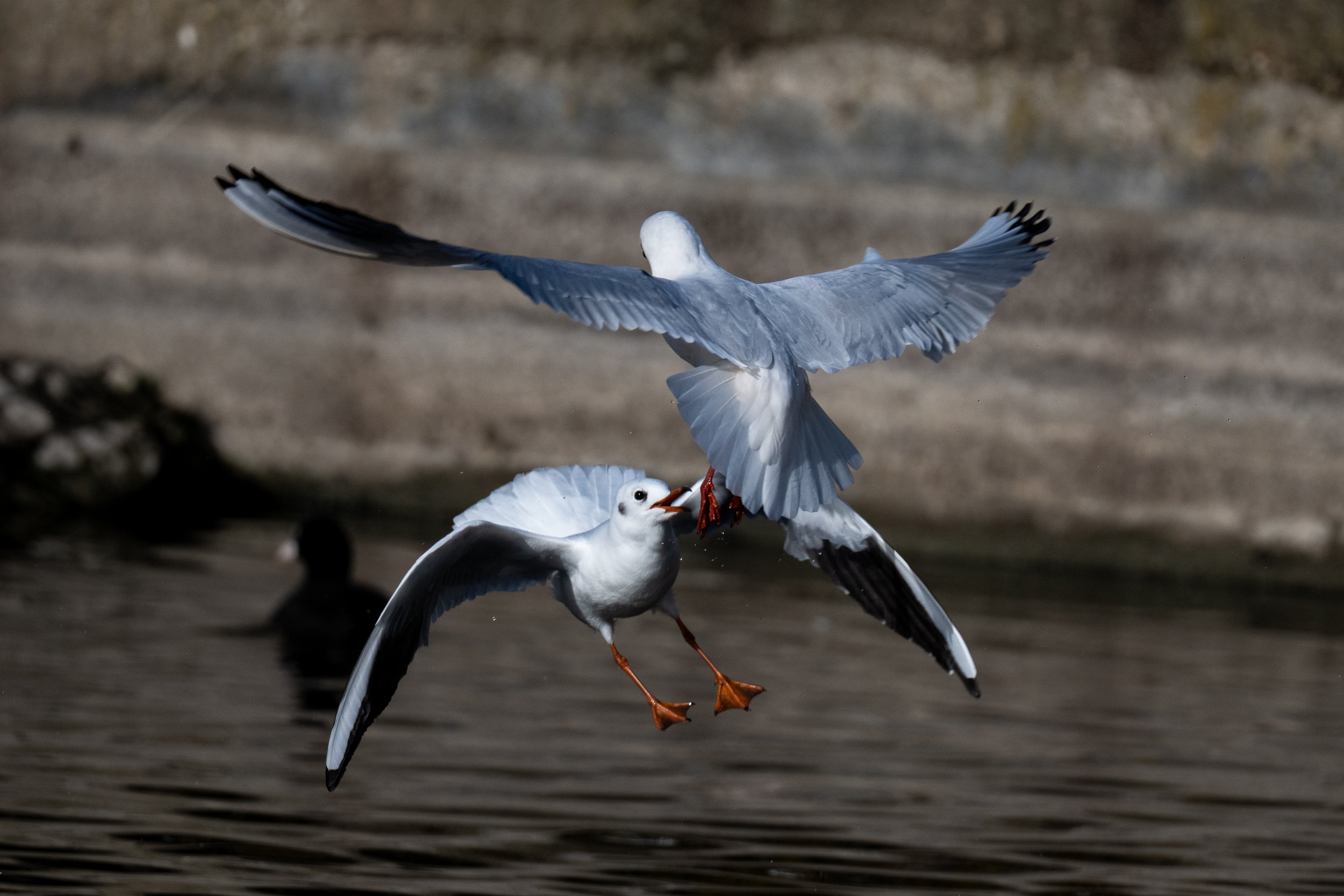
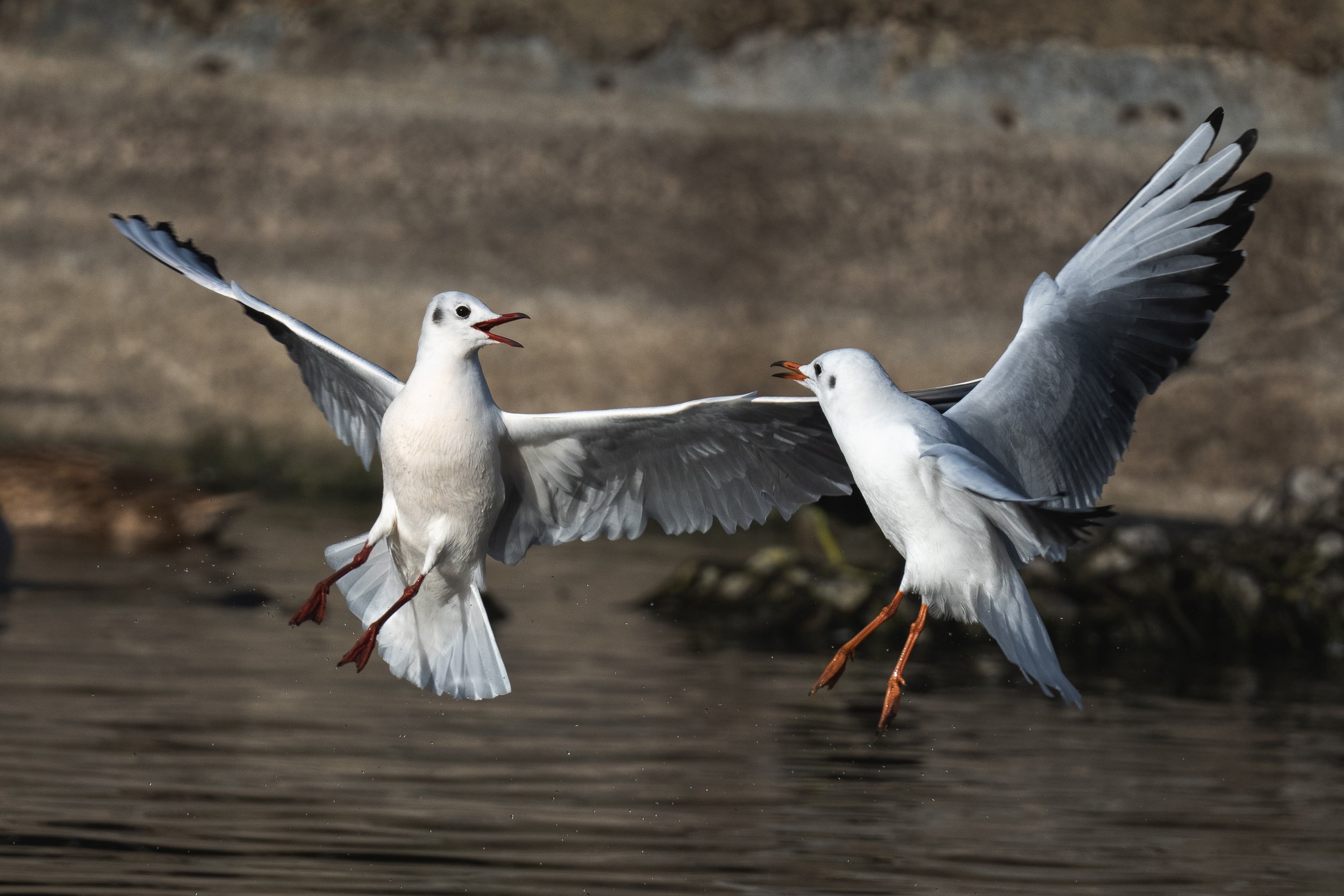
It’s also the season of people feeding them, breadcrumbs and seed thrown from the railings. There’s enough for everyone, but gulls are not good at sharing. I caught several shots of squabbling birds looking positively balletic.
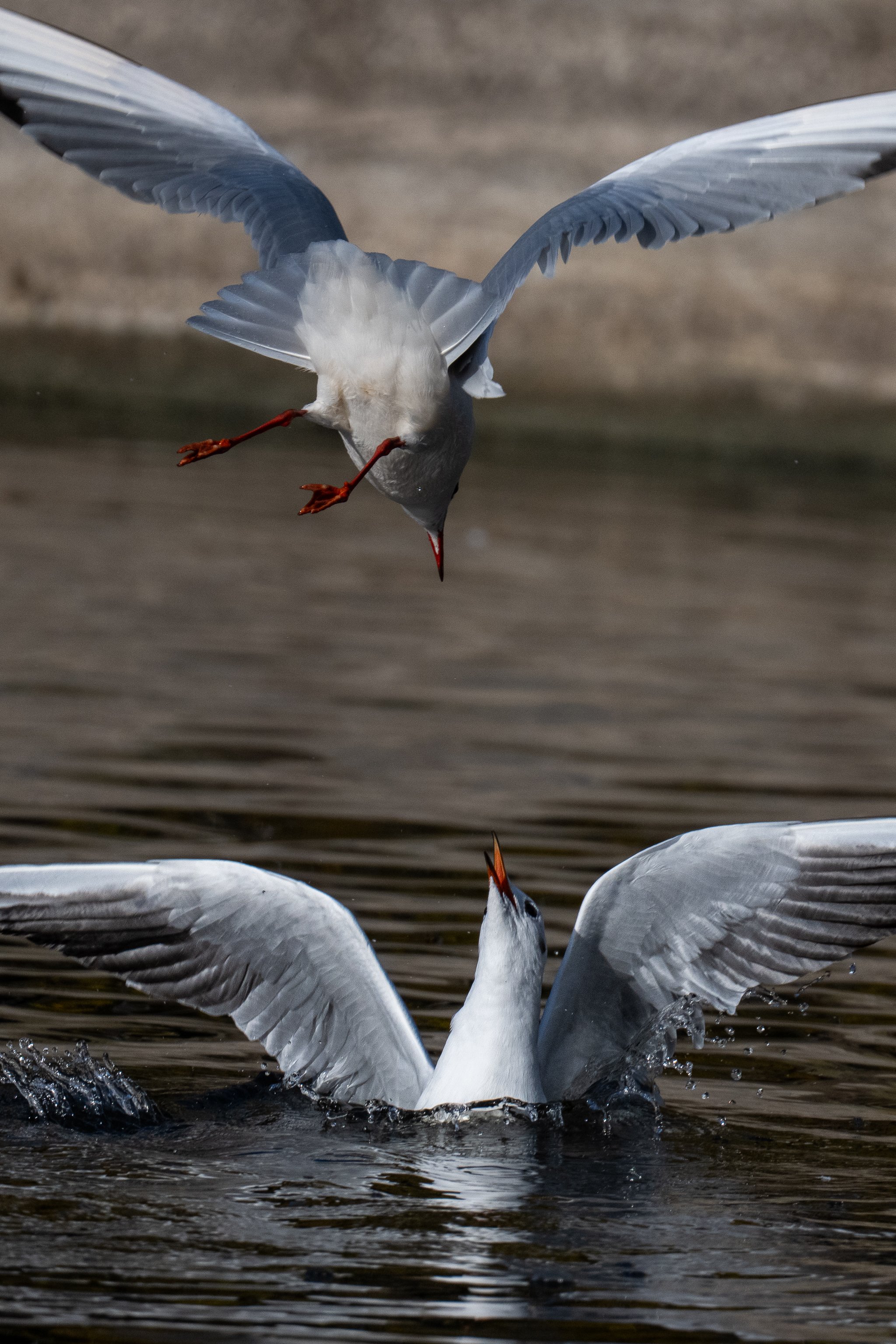
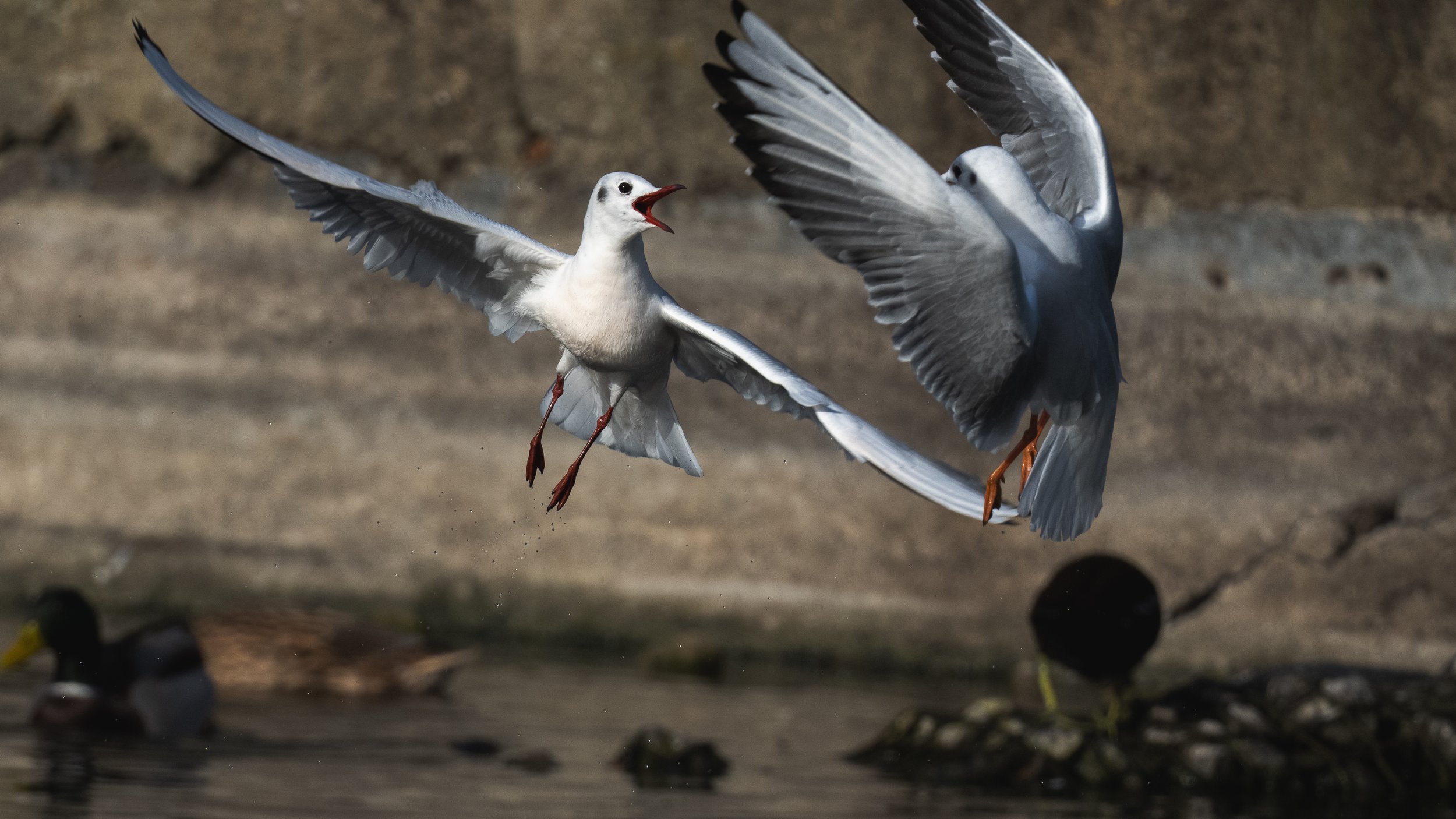
And this one of a bird face-planting during landing.
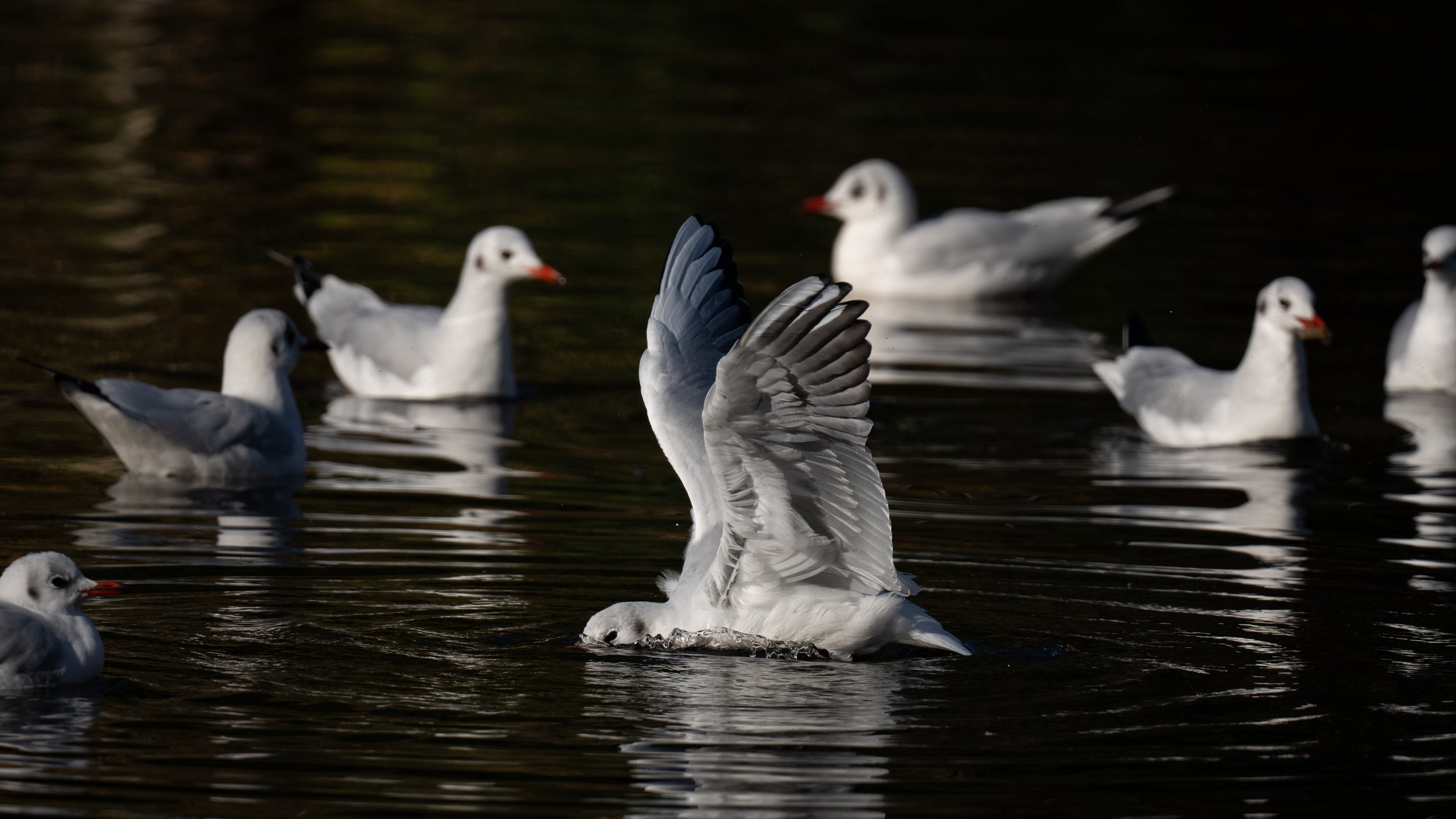
Black-Headed Gull, meaning to do that.
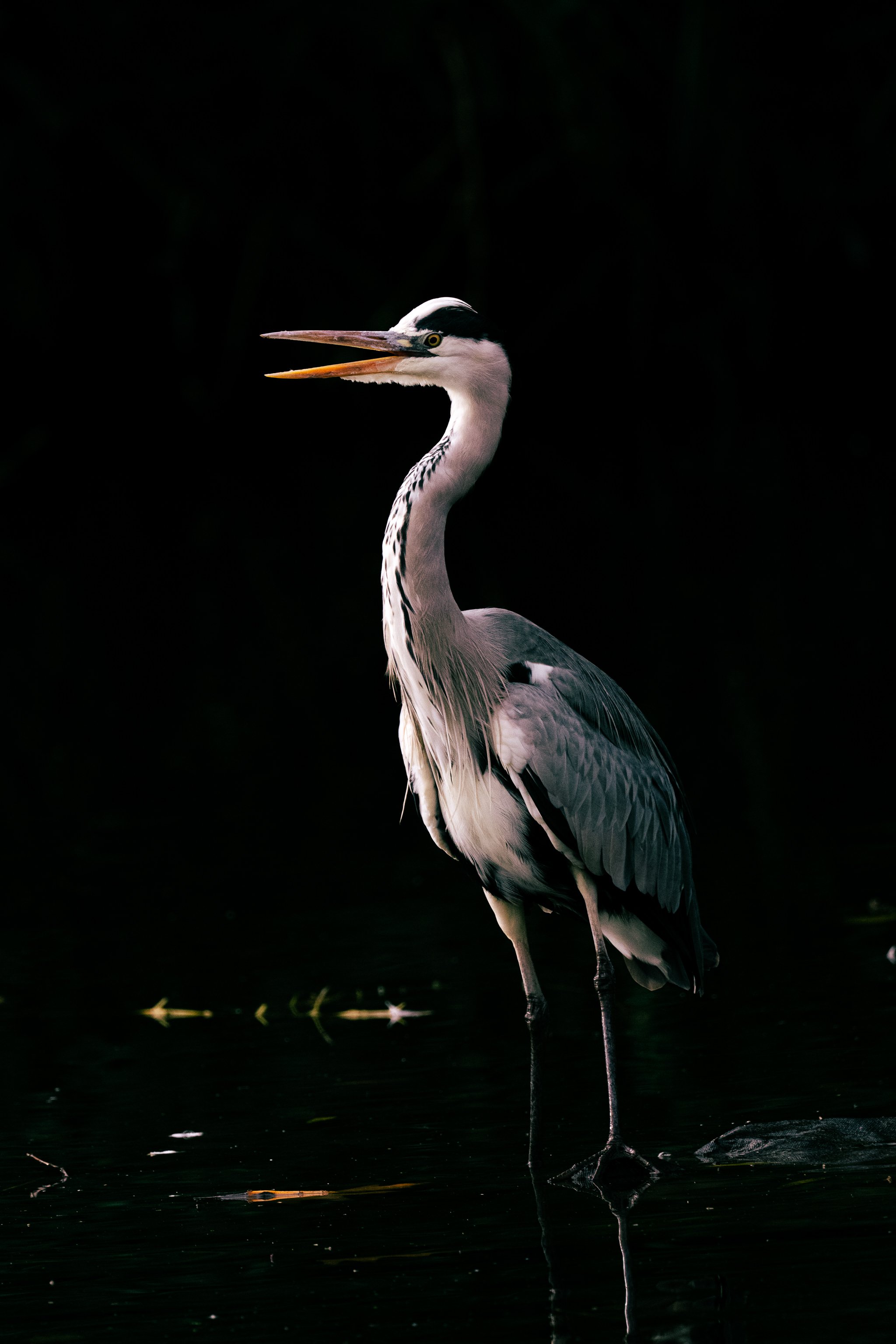
The Heron is still on the pond. I assume it’s the same bird, maybe it’s not. Maybe there’s a whole set of them which have all the local ponds and lakes on timeshare. I tried a heavier editing style on this shot, with green-tinted shadows, golden highlights and a darkened background to try and create a more striking image.
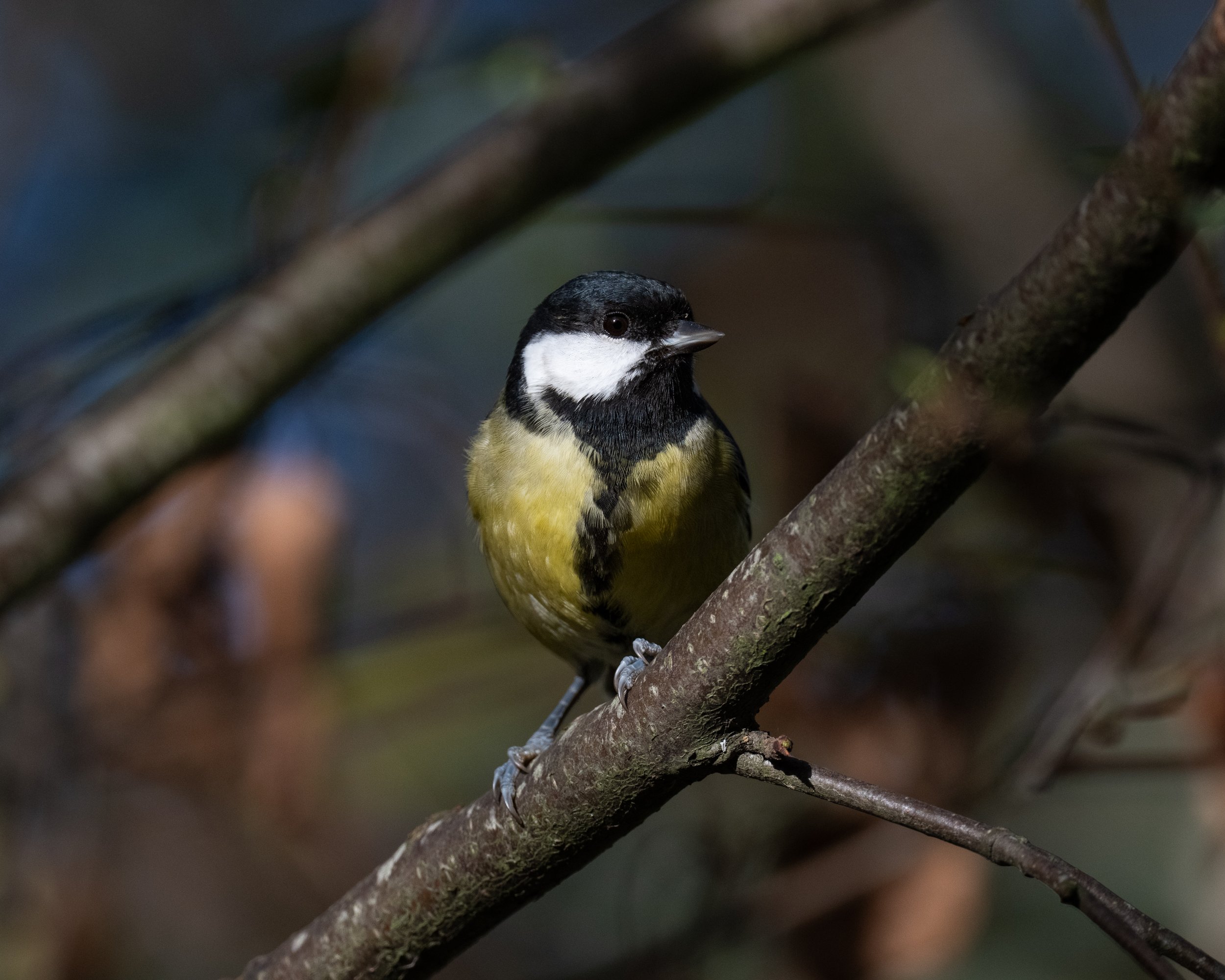
The tits are also out in force.
The main 3 I’ll see in Brockwell are Great Tits, Blue Tits and Long-Tailed Tits. Coal Tits are an occasional treat; Marsh, Willow, Crested and Bearded have, to the best of my knowledge, never been seen here at all.
I don’t know if there’s actually more of them around this time of year or not. It might just look that way because less leaves means they’re easier to see. But it certainly feels like there’s more here.
Great Tits, a bit larger than the others, will often be seen alone.
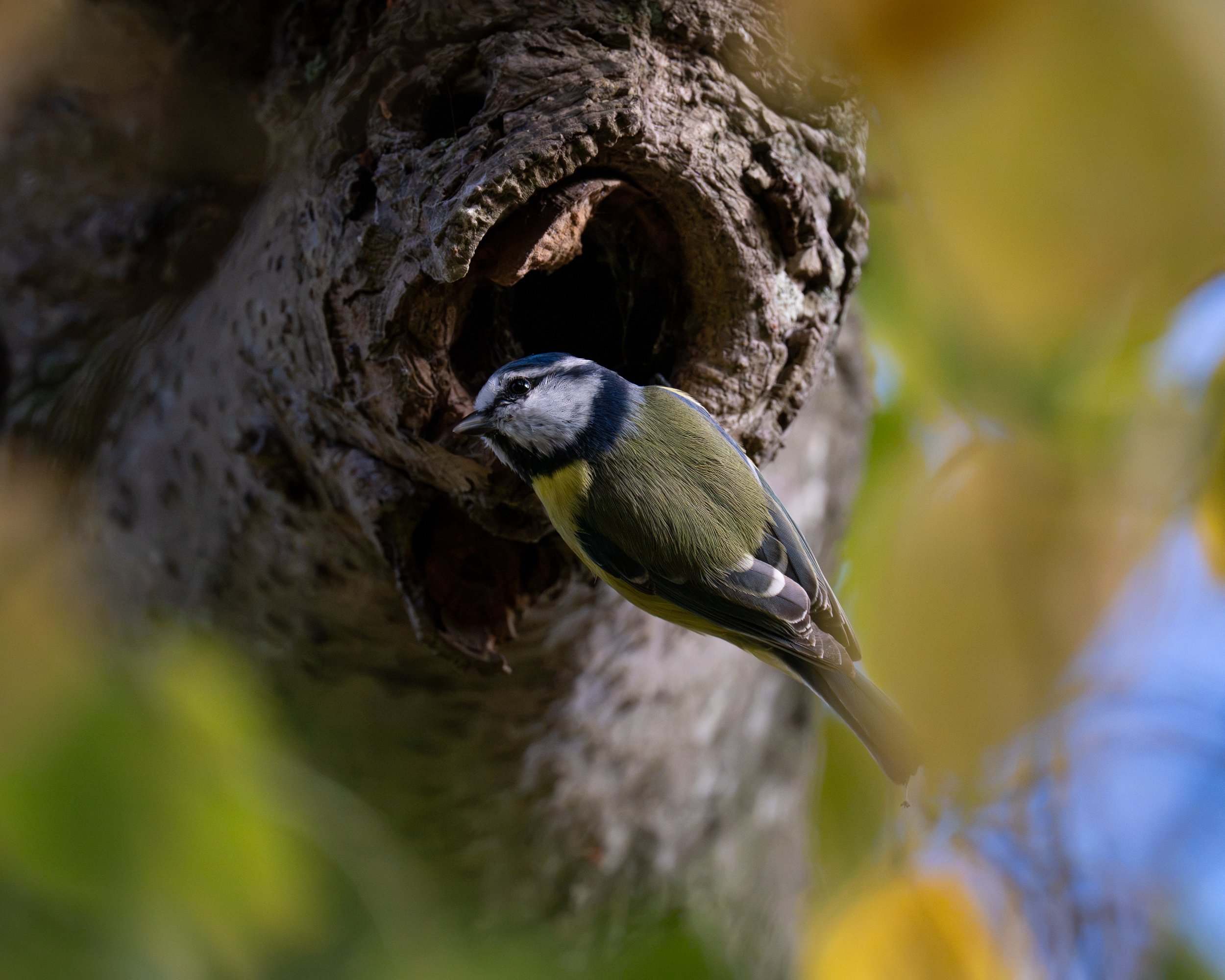
Blue tits are acrobatic, hanging upside down from branches to nibble at buds, bugs and lichen. This one had been digging in the knothole, presumably seeing if there was anything tasty in whatever debris had built up inside.
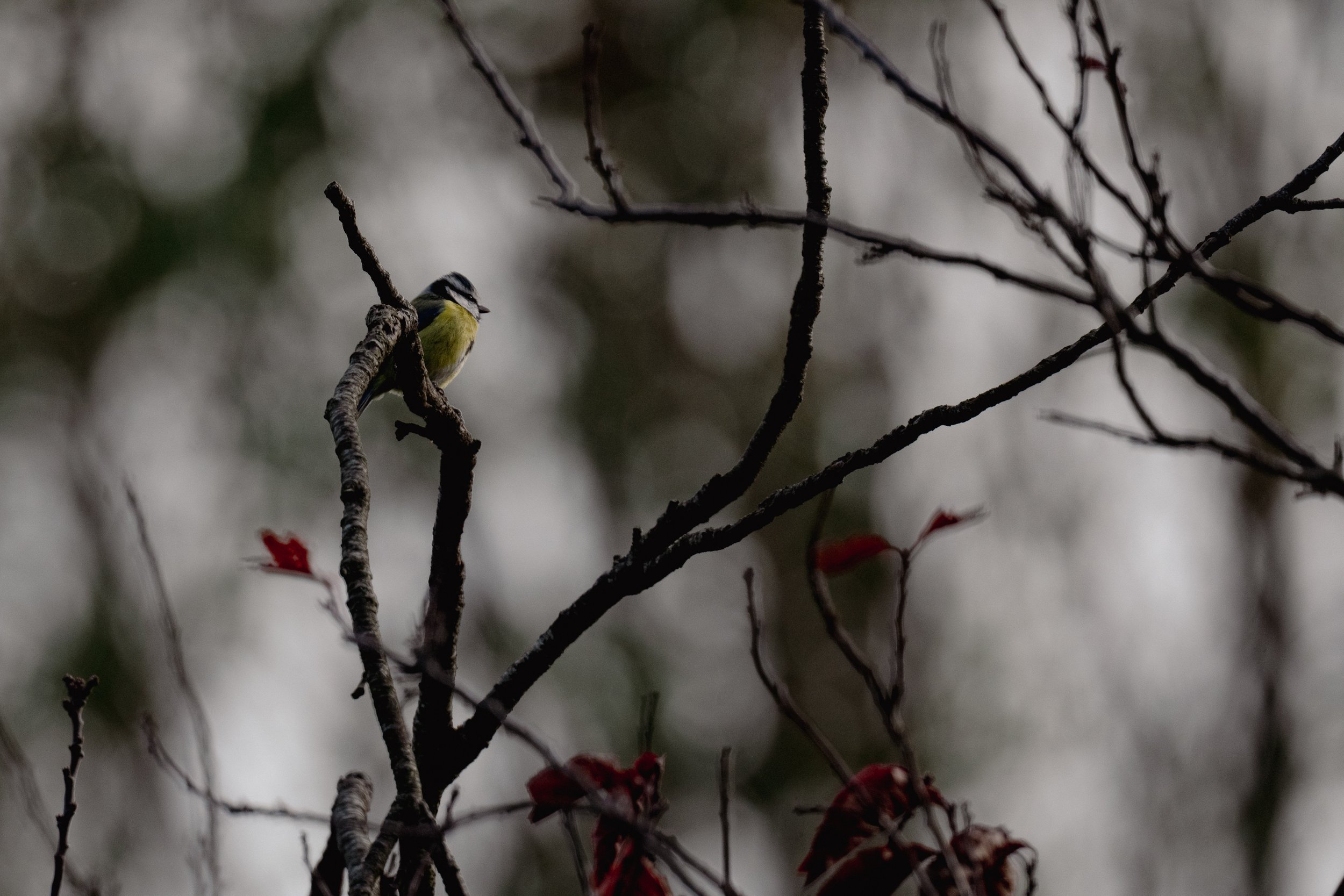
This one was looking very dramatic on one of the decorative trees that has, by now, mostly lost its leaves for the winter. This shot, I think, actually benefitted a lot from the f9 aperture - the background would have been a bit more blurred out at f6.3, and I think the extra resolution is good here. Obviously I can put the lens on f9 whenever I want, but I doubt I think to do that in the moment.
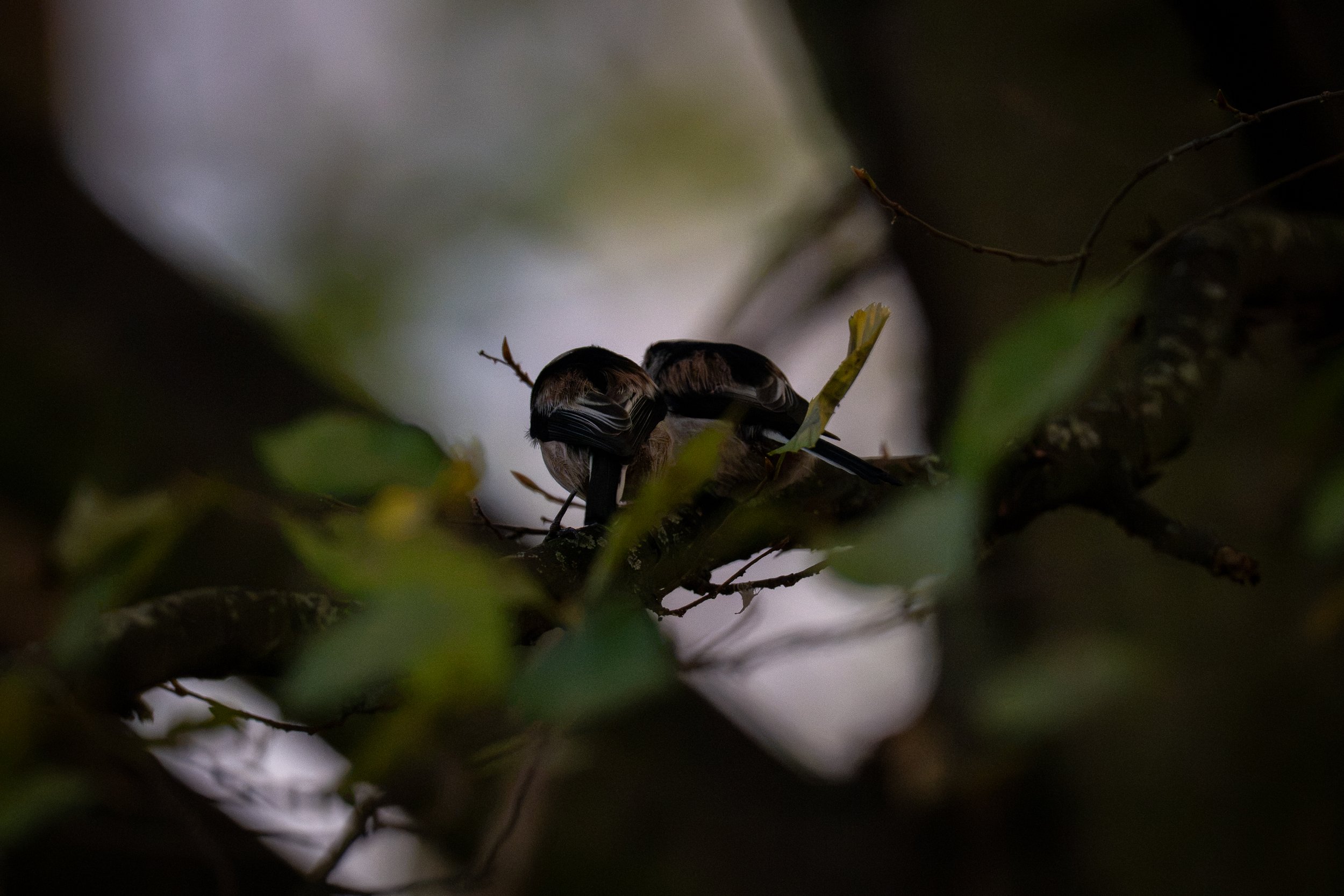
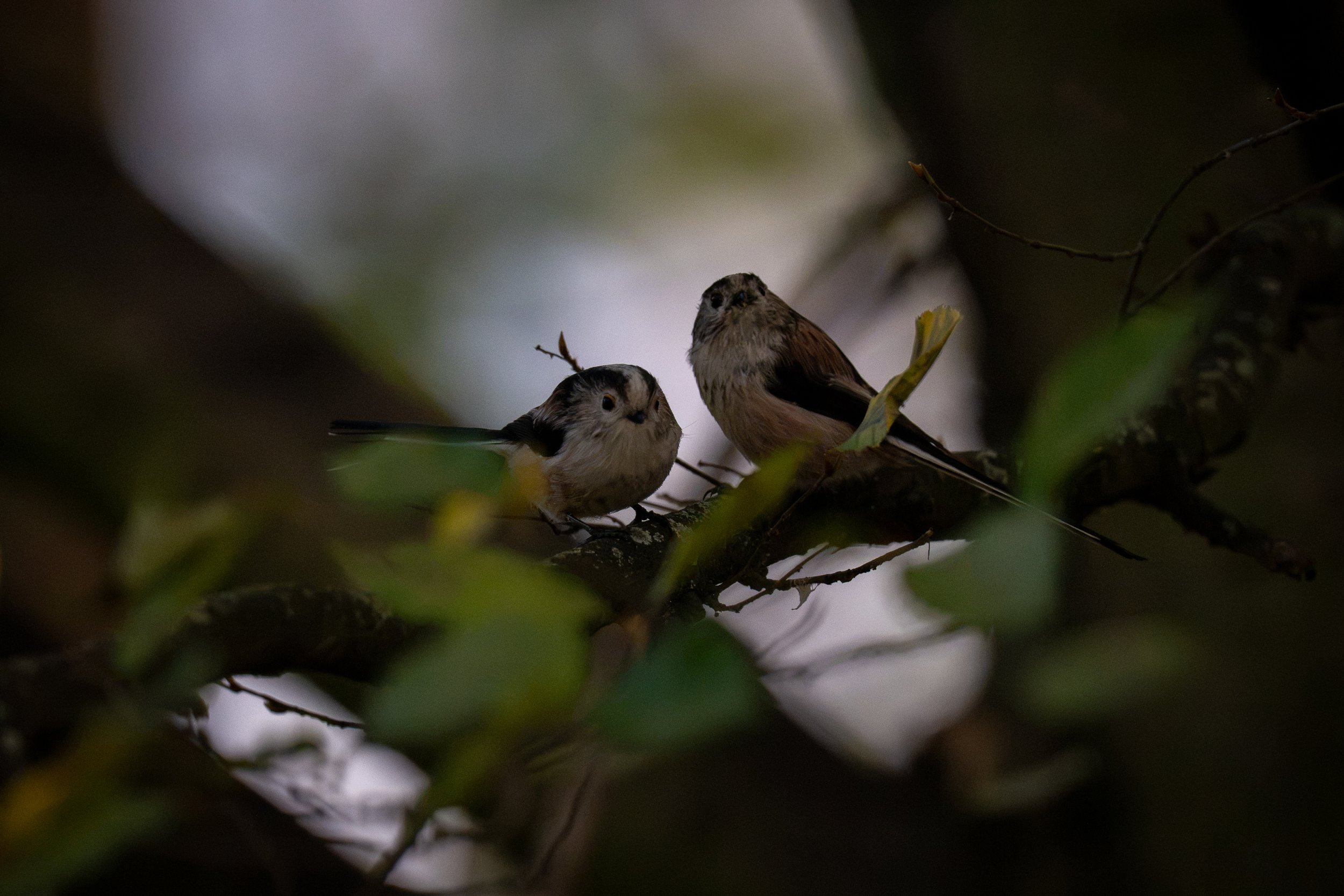
Long-Tailed Tits huddle together, for warmth and sociability. They’re very social little birds, existing largely in the plural. I’ve barely ever seen a single Long-tailed Tit - when there’s one, there’s others close by. Whole groups will help raise chicks, the earlier clutches helping to feed later ones. We’re well out of chick-raising season now, but I spotted these two hanging around like conspirators.
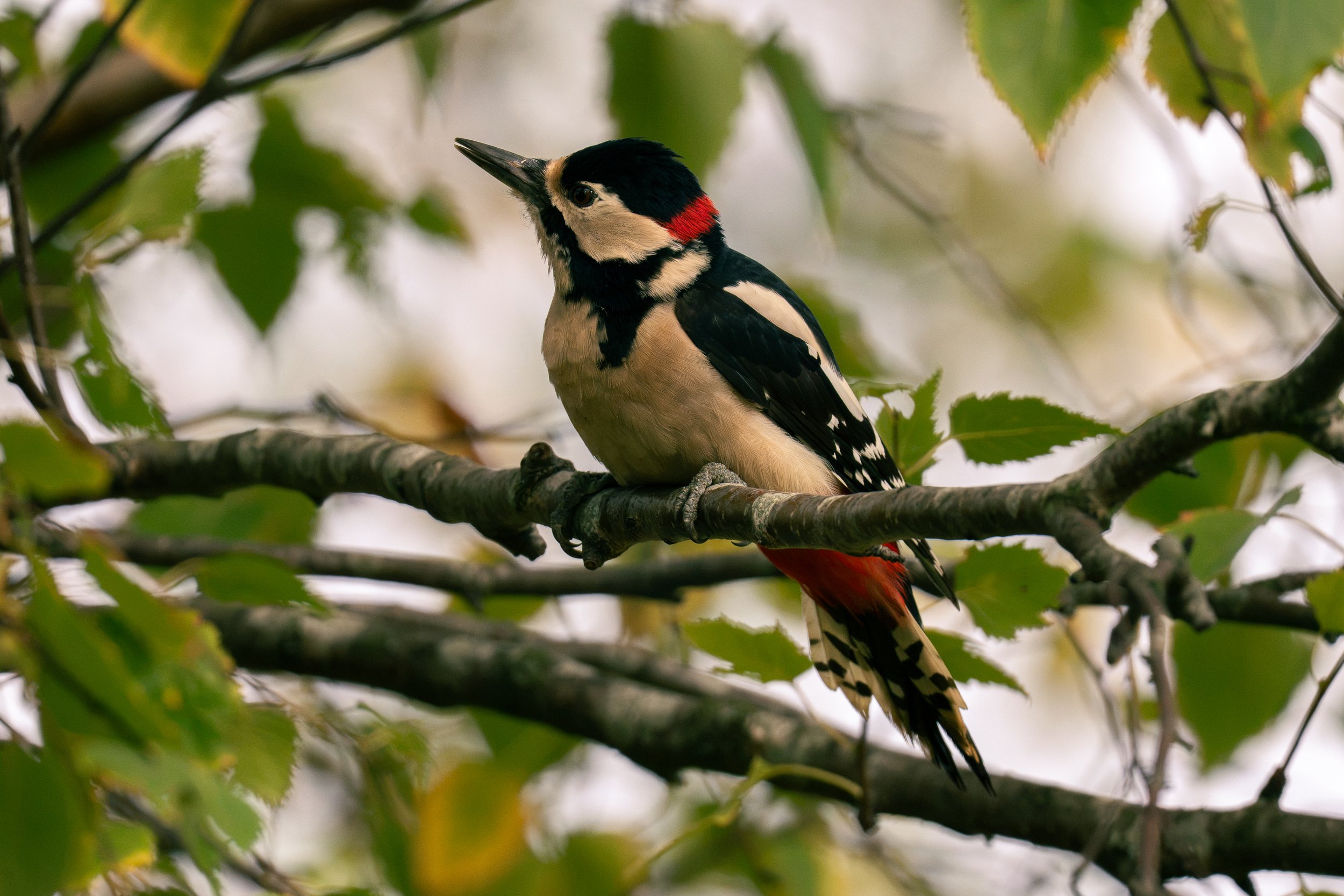
Seeing a woodpecker is always nice, and I ran into one that was both far lower down the tree than usual and was happy to sit and pose for ages.
I think it’s a young male, probably one of this year’s chicks - the ‘male’ bit comes from the red spot at the nape, and the ‘young’ bit comes from the slightly dirty-brown colouration on the underside. It was tapping away at one of the trees around the back of the community garden, prising bugs out of the bark.
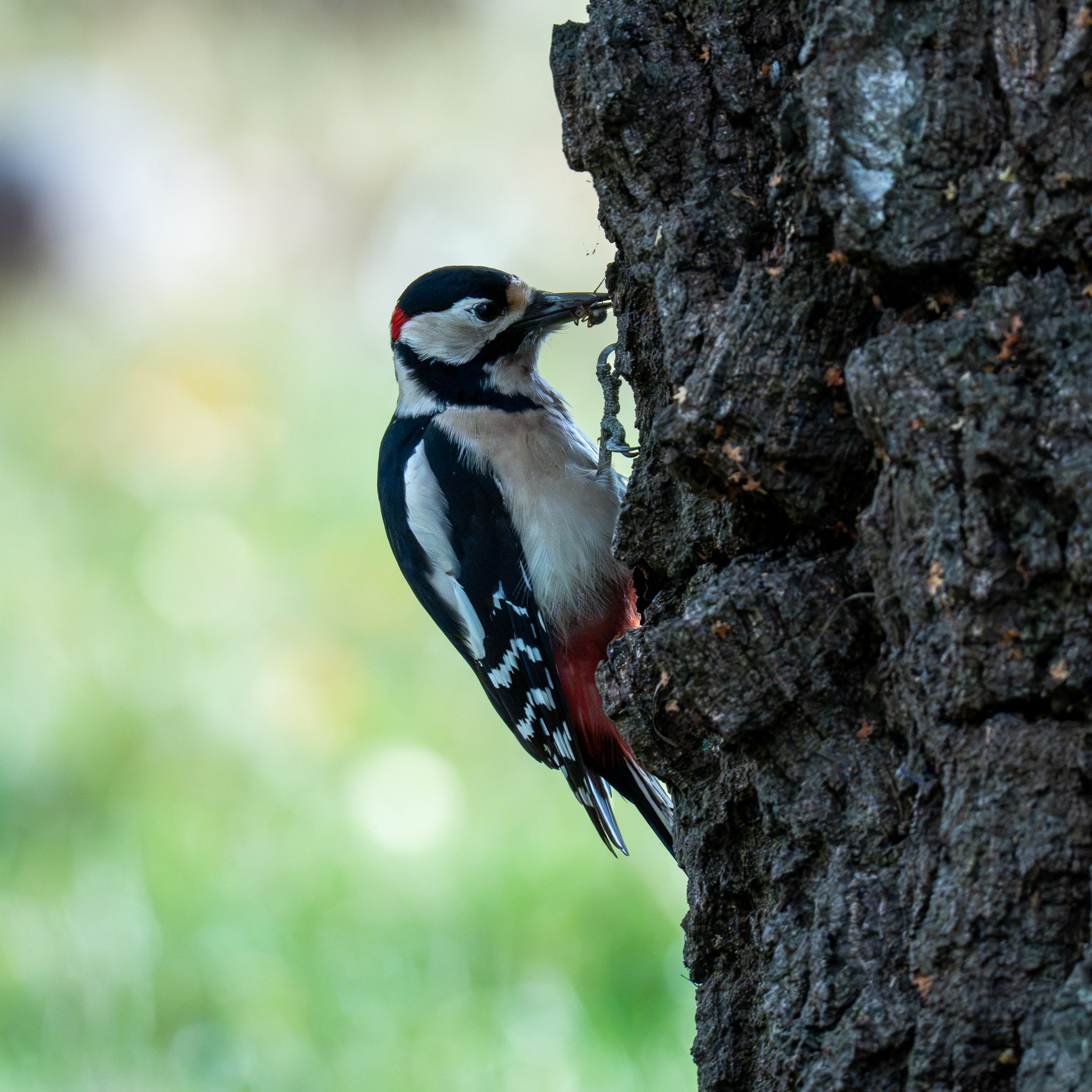
It uses its tongue to pull out anything hiding in the cracks. I caught it here just reaching in.
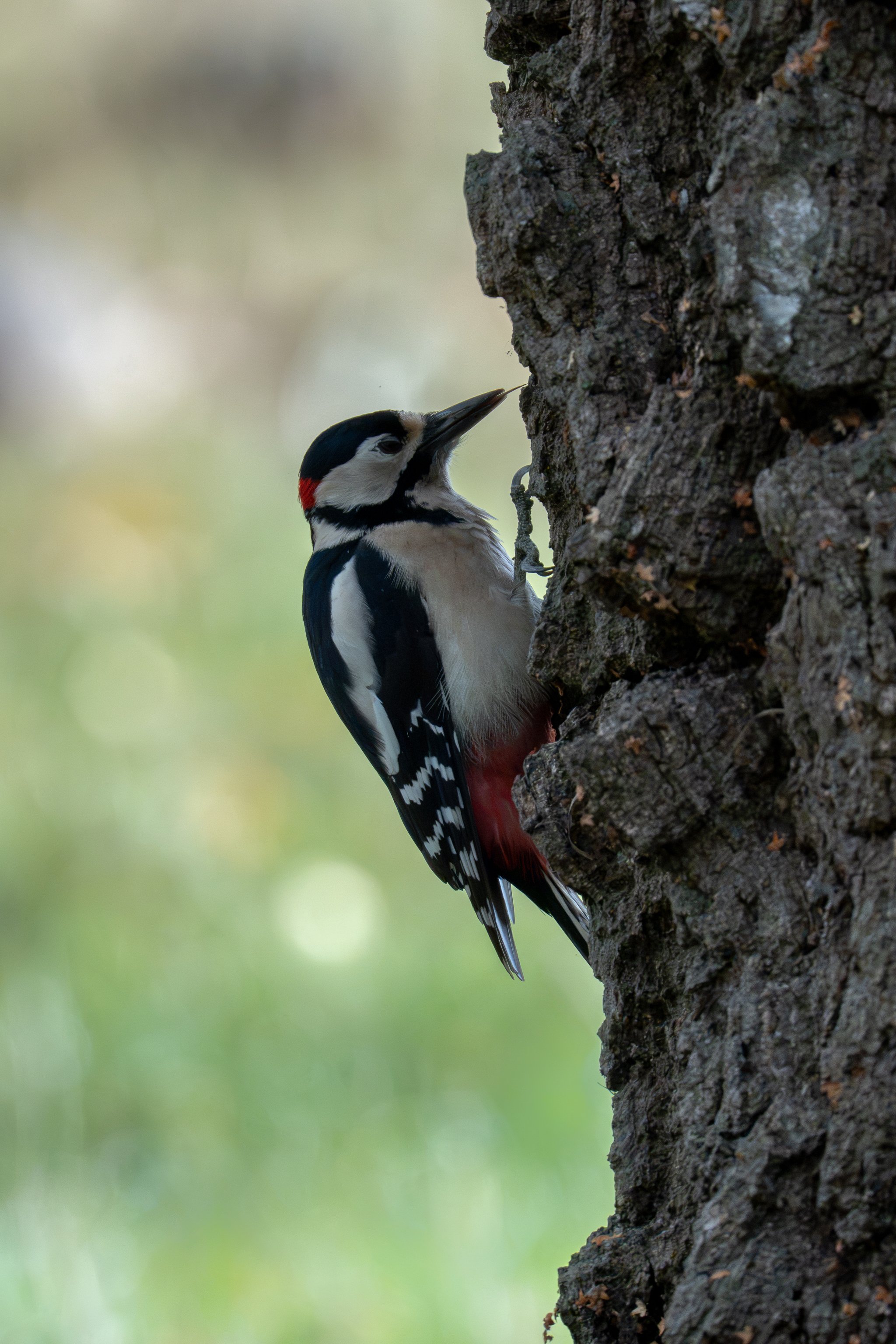
This one I like just because I barely ever see woodpeckers just perching like this, they’re normally climbing up branches or clung to the side of the tree like in the other pictures here. But for a while, this one sat happily like it was a parakeet.
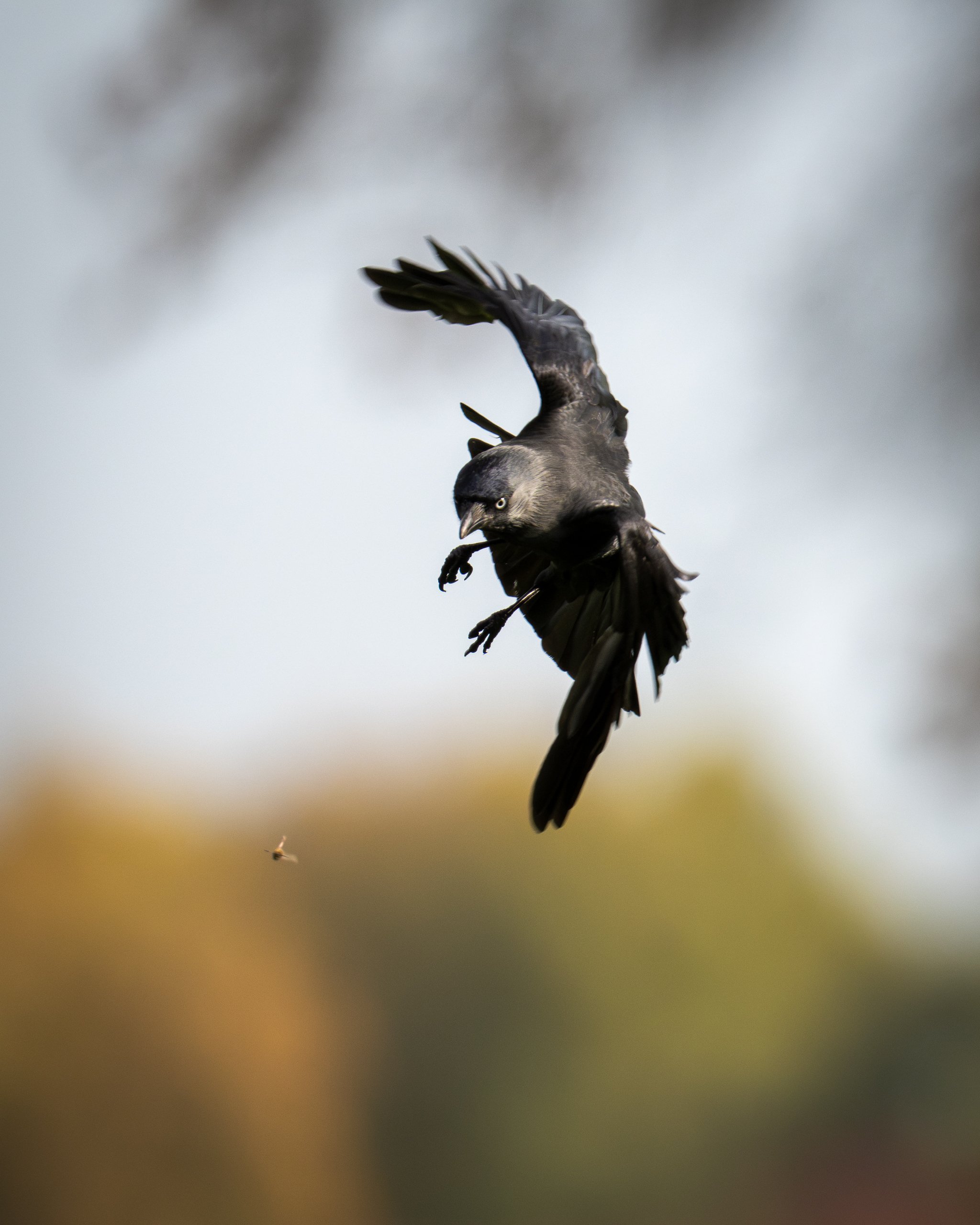
There’s been an influx of Jackdaws over the past few weeks. They’re not exactly uncommon but I don’t often see them in Brockwell, but now they’re here hunting acorns:
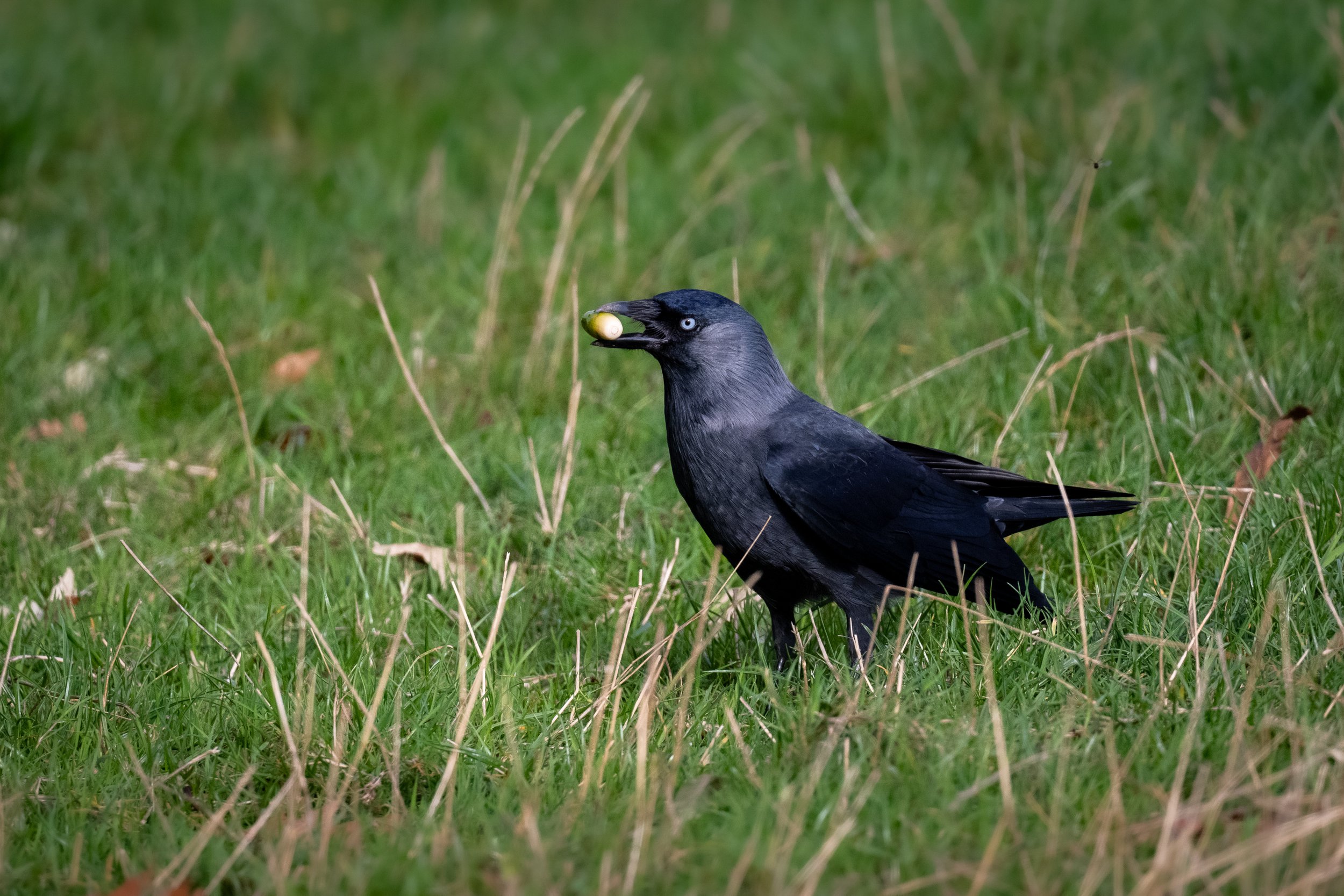
And, sometimes, bugs.
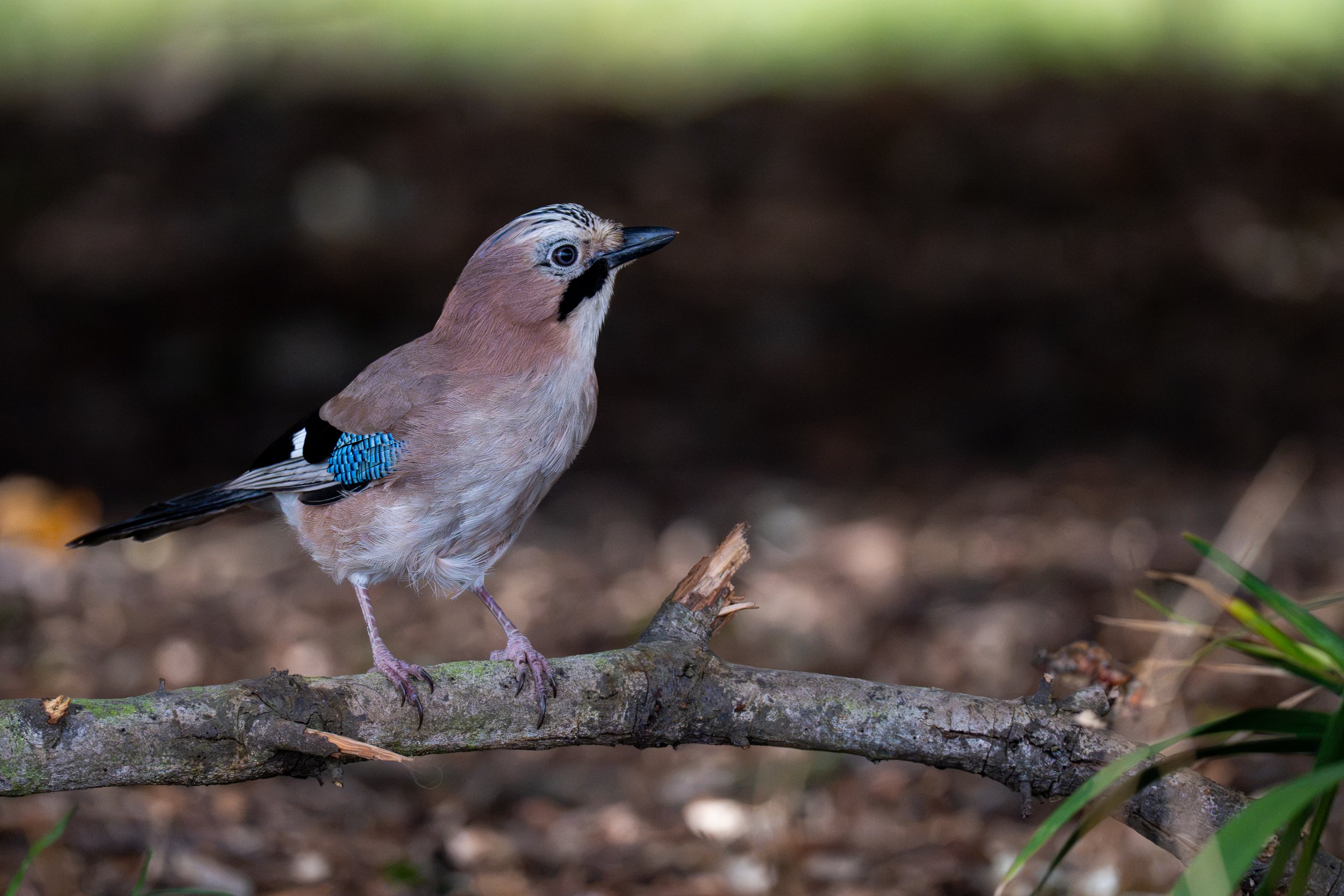
This is also one of the best times of year to see Jays. This is a bird which I barely ever saw in Cornwall but around here they’re everywhere. They’re in Brockwell all year, but at the moment they’re stashing acorns for their winter stores, which means they’re far more visible and far more unbothered.
So, thoughts on the teleconverter?
It pairs amazingly well with the lens. The ISO gets bumped higher since you’re forced up to f9, but on these sunny/cloudy autumn afternoons that’s not been a problem. High ISO just generally isn’t these days, noise is nothing Lightroom can’t make go away in a couple of clicks.
Somewhere like Brockwell, the reach is, if anything, too much. While I would have loved it when hunting for that Reed Warbler back in the summer, times like that in a local park are few and far between. Several of these shots were barely cropped at all, and where I did it was chopping out headspace around the subject to change the aspect ratio, the birds don’t actually end up filling much more of the frame.
Though even that is swings and roundabouts - while it does mean there’s less room for composition in post, it also means the aforementioned noise isn’t magnified, so Lightroom has an easier job.
I probably won’t keep it on for little local walks like these, but I’m definitely looking forward to trying it out in the reserves, where the birds are less inclined to trot up to you just in case you’re holding a pack of sunflower hearts.
